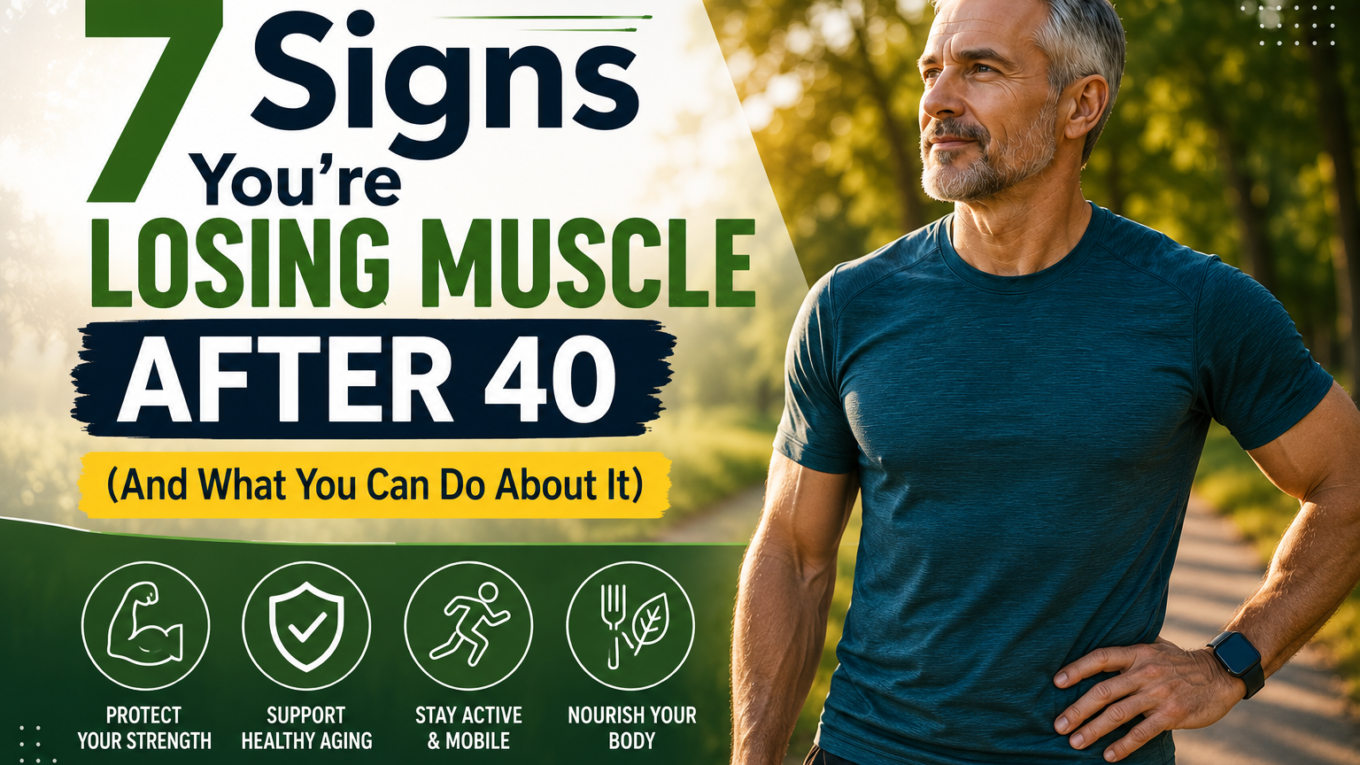
As we age, our bodies naturally begin to lose muscle mass and strength. This process, known as sarcopenia, can start as early as our 30s and tends to accelerate after the age of 40.
The good news? Muscle loss is not inevitable. With the right nutrition, regular physical activity, quality sleep, and healthy lifestyle habits, it is possible to maintain strength and mobility for decades.
In this guide, you’ll discover the seven warning signs of muscle loss and the practical steps you can take to protect your health.
Quick Facts
Fact
Information
Condition
Age-related muscle loss (Sarcopenia)
Usually Starts
Around age 30
Accelerates
After age 40
Main Causes
Aging, inactivity, poor nutrition
Prevention
Exercise, protein intake, sleep, healthy habits
Why Muscle Matters
Muscles do much more than help you look fit.
Healthy muscle tissue is essential for:
Maintaining balance
Protecting your joints
Supporting your metabolism
Improving insulin sensitivity
Preventing falls
Increasing longevity
Maintaining independence later in life
Research consistently shows that people with greater muscle mass tend to live healthier and remain active longer.
1. Everyday Tasks Feel Harder
One of the first signs of muscle loss is that routine activities suddenly require much more effort.
Examples include:
Carrying grocery bags
Climbing stairs
Lifting luggage
Standing up from a chair
Gardening
Playing with your children or grandchildren
If these tasks feel noticeably harder than they did a few years ago, reduced muscle strength could be one of the reasons.
2. You Feel Tired More Often
Muscles help your body produce and use energy efficiently.
As muscle mass decreases, everyday activities require more effort, causing fatigue to appear much sooner.
Common symptoms include:
Feeling exhausted after walking short distances
Low energy throughout the day
Difficulty completing simple chores
Needing frequent breaks
Persistent fatigue should always be discussed with a healthcare professional, but maintaining healthy muscles can help improve overall energy levels.
3. You’re Losing Strength
Strength doesn’t disappear overnight.
It often happens gradually.
You may notice:
Opening jars becomes difficult
Lifting boxes feels heavier
Push-ups become impossible
You avoid carrying heavy objects
Loss of strength is often one of the earliest indicators of declining muscle health.
4. Your Balance Isn’t What It Used to Be
Strong muscles help stabilize the body.
As muscle strength declines, balance often worsens.
You might notice:
Feeling unsteady
Tripping more often
Fear of falling
Difficulty standing on one leg
Improving muscle strength is one of the best ways to reduce fall risk as we age.
5. Recovery Takes Longer
After exercise or physical work, your muscles need time to repair.
As we age, this recovery process naturally slows.
Signs include:
Soreness lasting several days
Longer recovery after workouts
Feeling stiff every morning
Good nutrition, hydration, sleep, and resistance training all support muscle recovery.
6. Your Muscles Look Smaller
You may notice changes in your appearance even if your body weight hasn’t changed.
Common signs include:
Smaller arms
Thinner legs
Less muscle definition
Softer body composition
This happens because muscle tissue is gradually replaced by body fat when muscles aren’t regularly challenged.
7. You’re Becoming Less Active
Sometimes muscle loss isn’t the cause—it’s the consequence.
Many people move less as they age, creating a cycle:
Less activity →
Less muscle →
Lower energy →
Even less activity
Breaking this cycle early is one of the best investments you can make in your long-term health.
How to Protect Your Muscles
Fortunately, muscle loss can often be slowed significantly.
Focus on these habits:
Lift Weights
Resistance training remains the most effective strategy for preserving muscle.
Aim for:
2–4 sessions per week
Compound exercises
Progressive overload
Eat Enough Protein
Protein provides the building blocks your muscles need.
High-quality protein sources include:
Eggs
Fish
Chicken
Greek yogurt
Lean beef
Beans
Lentils
Stay Active
Daily movement matters.
Simple activities like:
Walking
Cycling
Swimming
Hiking
all contribute to healthier muscles.
Prioritize Sleep
Most muscle repair happens while you sleep.
Adults should aim for:
7–9 hours every night.
Stay Hydrated
Water plays an essential role in muscle contraction and recovery.
Even mild dehydration can reduce physical performance.
Healthy Habits That Make a Difference
✔ Walk every day
✔ Strength train weekly
✔ Eat protein with every meal
✔ Sleep consistently
✔ Reduce processed foods
✔ Stay hydrated
✔ Manage stress
Frequently Asked Questions
Can muscle loss be reversed?
In many cases, yes. Resistance training combined with adequate protein intake can help rebuild muscle.
At what age does muscle loss begin?
Most people begin losing muscle slowly after age 30, with faster declines after 40.
Is walking enough?
Walking is excellent for overall health, but resistance training is generally needed to preserve muscle mass.
Should older adults eat more protein?
Many experts recommend adequate protein intake throughout adulthood, especially after 40, though individual needs vary.
Recommended Product
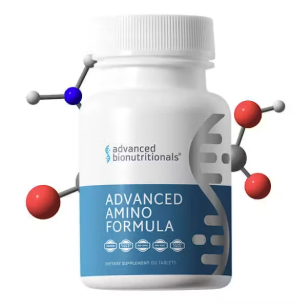
Some adults find it difficult to consume enough essential amino acids through diet alone.
In those cases, a high-quality amino acid supplement may complement a healthy diet and regular exercise routine.
By staying active, eating a balanced diet, sleeping well, and taking care of your body, you can preserve your strength, independence, and quality of life for years to come.
Small daily habits add up over time. Start today, stay consistent, and invest in your future health.